
Category

Food

Category

Key Takeaways

  • Mini catering bookings in Singapore still require proper logistical planning despite smaller guest counts.
  • Final guest numbers affect food quantity, packaging, and delivery coordination.
  • Venue access and setup limitations are often overlooked during booking.
  • Delivery timing and serving equipment can impact the overall guest experience.

Introduction

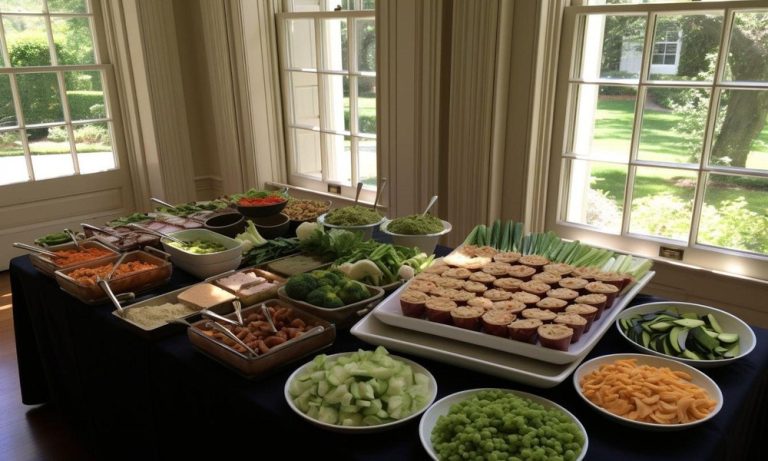
Mini catering services are commonly used for birthdays, office celebrations, family gatherings, and casual social events where a full buffet setup may not be necessary. While smaller events appear easier to manage, many hosts underestimate the amount of preparation still involved. Operational details are often overlooked during the booking process, which can lead to delays, missing equipment, or insufficient food arrangements on the event day.

That said, when arranging small party catering, most hosts focus heavily on menu selection and pricing. However, factors such as venue access, delivery timing, guest confirmation, and serving arrangements also play a major role in ensuring smooth event execution. Comprehending these commonly forgotten details helps reduce avoidable disruptions during smaller-scale events.

1. Forgetting to Confirm Guest Numbers Early

One of the most common mistakes when booking small party catering is delaying guest confirmation until the final few days before the event. Many hosts continue adjusting attendance numbers at the last minute, assuming catering providers can easily make changes. However, mini catering orders still require preparation time for ingredient purchasing, portioning, packaging, and delivery scheduling.

Incorrect guest counts can create problems on both sides. Under-ordering may leave guests without enough food, while excessive ordering can result in unnecessary waste and additional costs. This instance becomes more noticeable during home events where storage space for leftovers may already be limited.

Some caterers also structure their packages according to minimum order quantities or fixed meal tiers. Small changes in attendance may affect pricing or menu combinations. Confirming guest numbers earlier allows catering teams to prepare more accurately and reduces last-minute adjustments.

2. Overlooking Venue Access and Space Limitations

Another issue many hosts forget is the event setup environment itself. Smaller events do not always mean simpler logistics. Compact venues can create difficulties for food arrangement, guest movement, and equipment setup.

For example, condominium function rooms, apartments, and smaller office spaces may have limited table space for catering trays and beverage stations. Certain venues may also restrict the use of warming equipment or extension cables. Remember, without proper planning, food service can become disorganised once guests begin arriving.

This situation is particularly relevant for mini catering, where many residential properties have strict security procedures, lift booking requirements, or loading restrictions. Hosts sometimes forget to inform caterers about parking access, registration procedures, or delivery timing restrictions imposed by building management.

Providing venue details early allows catering providers to prepare the appropriate setup arrangements and avoid unnecessary delays during delivery.

3. Ignoring Delivery Timing and Setup Preparation

Delivery timing is another detail that hosts frequently underestimate. Some assume that scheduling food delivery at the event start time is sufficient. In reality, food often still requires unpacking, arranging, and setting up before guests can begin eating.

Traffic congestion, parking limitations, and security clearance procedures can also affect delivery schedules, especially during weekends or peak meal hours. Delays become more noticeable for office events where lunch breaks or meeting schedules operate within strict timeframes.

Experienced providers offering mini catering in Singapore usually recommend allowing additional buffer time between delivery and meal service. This timeline helps ensure the setup is completed properly before guests arrive.

Hosts should also confirm whether their package includes full setup services or simple drop-off delivery. Misunderstanding these arrangements can create confusion on the event day, particularly if tables, serving trays, or waste disposal arrangements are not prepared beforehand.

4. Forgetting Serving Equipment and Dining Essentials

Food itself is only one part of the catering setup. Many hosts forget to check whether essential dining items are included in the package. Serving utensils, disposable cutlery, cups, trash bags, and beverage dispensers are often overlooked during booking discussions.

Even smaller gatherings can become inconvenient when guests are unable to access proper serving tools or dining supplies. Different small party catering packages may also vary in presentation style, with some focusing on disposable trays while others include buffet-style setups.

Clarifying these inclusions beforehand helps ensure the event setup matches the venue, guest count, and dining format.

Conclusion

Mini catering in Singapore may involve fewer guests, but proper planning remains important. Many event-day issues result from overlooked logistical details rather than the food itself. Confirming guest counts, checking venue requirements, planning delivery timing, and reviewing equipment inclusions can help hosts avoid unnecessary disruptions and ensure smoother event execution.

Contact Elsie’s Kitchen to work with an experienced mini catering provider that helps hosts avoid last-minute scrambling.
Title: Treif Food Processing Equipment: Operator and Workshop Guide

Description: A practical reference for operators and workshop staff working with Treif slicing, portioning, and dicing equipment in professional food processing.

Link: https://manualmachine.com/treif/

Anchor: natural – “Treif manual archive”

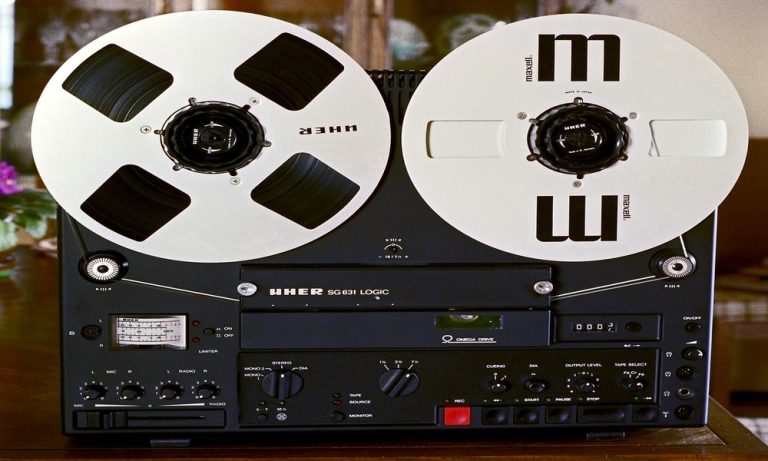
Treif is one of the established names in professional food processing equipment, producing industrial slicers, portioners, and dicing machines used in meat processing, cheese production, and broader food manufacturing. The equipment is precision machinery operating at high speeds in demanding hygienic environments, which makes operator training, maintenance discipline, and documentation availability all more important than in most other equipment categories. For food processors running Treif machines on their production lines, an operational understanding of the equipment is not optional – it affects product quality, throughput, worker safety, and regulatory compliance. This guide covers what Treif operators and workshop teams should know about their equipment and where to find documentation when a specific question comes up during a production shift.

Why Food Processing Equipment Documentation Is Especially Important

Food processing equipment operates under multiple overlapping constraints that ordinary industrial machinery does not face. The equipment must meet strict hygiene standards with full washdown capability. It must meet safety standards that protect operators working with sharp blades at high speeds. It must produce consistent product quality at rated throughput. And it must document all of this clearly enough to satisfy auditors from food safety authorities. The manual is the document that ties these constraints together – it specifies cleaning procedures that meet hygiene requirements, safety interlocks that must be maintained for operator protection, settings that produce consistent product, and inspection procedures that satisfy audit requirements. Missing documentation is not just inconvenient; it can create genuine compliance problems for the facility.

Identifying Your Specific Treif Model

Treif has produced multiple machine families over the years – different slicer configurations, different portioning systems, different dicing machines for specific product types. The nameplate on each machine identifies the exact model, serial number, and production year. This information is essential for any documentation request, parts order, or service interaction. Workshop teams should record this information for every Treif machine in the facility and maintain it alongside the documentation. For facilities with multiple similar machines, accurate inventory tracking prevents the common error of applying the right procedure to the wrong machine, which can have safety or quality implications.

Where to Source Treif Documentation

Current Treif machines come with comprehensive documentation provided at the time of purchase or installation, typically in multiple languages and covering operator, maintenance, and service aspects. For machines that are years or decades old and have changed hands – which happens more often than buyers of used equipment realize – the original documentation is sometimes no longer with the machine. In those cases, independent documentation archives become essential resources. The Treif manual archive collects documentation for a range of Treif equipment, including operator manuals and technical references for machines that may no longer be actively supported by the manufacturer’s current dealer network. For facilities that have acquired Treif equipment through secondary markets, this kind of archive is often the fastest path to the documentation they need for safe operation.

Operator Training and Documentation Alignment

Treif equipment requires trained operators, and the training should align explicitly with the documentation. An operator who has been trained but has never seen the manual is working from memory, which is not the same as working from a verifiable reference. Facilities that keep the current operator manual accessible at the machine itself – laminated for washdown tolerance, or displayed on a nearby screen – reinforce the training with immediate access to the authoritative reference. This matters especially during shift handovers, when temporary operators cover a station, or when a routine question about a specific setting comes up that even experienced operators do not always remember exactly.

Hygiene and Washdown Procedures

Cleaning procedures for Treif equipment are specified precisely in the documentation because food safety depends on them being followed correctly. Which cleaning agents are approved, which are prohibited, what temperatures and pressures are safe for the equipment, how components disassemble for thorough cleaning, and how they reassemble correctly after – all of these are covered in the manual. Deviations from the documented procedures, even well-intentioned ones, can either damage the equipment or fail to achieve the required hygiene standard. Regular review of cleaning procedures with production staff, referenced explicitly to the manual, prevents the drift that otherwise accumulates as staff turn over and procedures become informal.

Maintenance Schedules and Workshop Responsibilities

Scheduled maintenance on Treif equipment prevents unplanned downtime far more reliably than reactive repair. Blade changes, bearing inspections, drive system service, lubrication at specified points, and electrical safety verification all have documented intervals in the maintenance manual. Workshop teams that translate these schedules into a recurring task system – hourly, daily, weekly, monthly, and annual checks – keep equipment in better condition than those who wait for problems to become visible. The small investment of scheduled maintenance time is repeatedly paid back in avoided production losses, and the documentation makes the schedule explicit enough that it can be systematized rather than relying on memory.

Safety Systems and Interlocks

Treif machines have multiple safety systems – guards, interlocks, emergency stops, two-hand controls – that exist specifically to protect operators from the real hazards of the equipment. The documentation describes each safety system, how to verify its function, and how to respond if any of them fails or is compromised. Defeating a safety system to keep production running is a serious problem that the manual addresses directly – under no circumstances is this appropriate, and any safety system malfunction should take the machine out of service until the issue is resolved. This discipline is maintained by operators and supervisors who understand the documented safety philosophy, and the manual is the source of that understanding.

Long-Term Documentation Stewardship

Food processing facilities that run Treif equipment for ten or fifteen years accumulate documentation history that is worth stewarding carefully. Original manuals, any technical bulletins issued by the manufacturer, records of maintenance performed, notes from service visits – all of this forms the operational history of the equipment. Keeping these materials organized, backed up digitally, and accessible to the team is part of what separates well-run facilities from those that rediscover the same problems repeatedly. The documentation is not just for today’s operators; it is for whoever will be working with the equipment five years from now when the current team has moved on. Treating it as a long-term asset rather than a one-time handover artifact is the quiet discipline that keeps production lines running smoothly.

– – – – – – – – – –

Nestled in the heart of Texas, Lewisville is a city that boasts a rich history and vibrant culture and offers a diverse and delectable culinary scene. Among its many gastronomic delights, the quest for the perfect pizza stands out as a delightful adventure that both residents and visitors alike can embark upon. With numerous pizzerias scattered throughout this charming Texan city, it beckons all pizza lovers to discover the ideal slice that will leave them craving more. Whether you call it home or are just passing through, this article will guide you on a mouthwatering journey to find the perfect pizza in Lewisville. From classic cheese to gourmet toppings, you will explore the best methods and places to satisfy your cravings in this city.

Exploring Local Favorites:

In the heart of this city, you’ll find a range of local pizzerias that have been serving up slices of heaven for years. These establishments often hold a special place in the hearts of residents, and for good reason. The first step in your quest for the perfect pizza is to check out these beloved neighborhood spots.

Ask the Locals:

Start by striking up conversations with the residents. Ask them for their pizza recommendations. Locals are often the best source of insider information, and they’ll be eager to share their favorite joints with you. Word-of-mouth recommendations can lead to hidden gems you might not find on popular review websites.

Visit the Oldest Pizzerias:

The longest-standing pizzerias have a track record for a reason. They’ve been dishing out mouth watering pizzas for years, and their consistency is a testament to their quality. Head over to these time-tested establishments and sample their signature pizzas. You’ll likely discover that tradition and experience make for some of the best pies in town.

Exploring Different Pizza Styles:


It is a city that embraces diversity, and its pizza scene is no exception. To find your perfect pizza, exploring the various styles and flavors of local pizzerias is essential.

New York-Style Pizza:

If you’re a fan of large, thin slices that you can fold in half, then New York-style pizza is the way to go. These iconic, oversized slices are known for their foldability and deliciously simple combination of crust, sauce, and cheese. Be sure to visit pizzerias specializing in this style for an authentic experience.

Chicago Deep-Dish Pizza:

For those who crave a heartier, more indulgent experience, Chicago deep-dish pizza is a must-try. With its thick, buttery crust and layers of cheese and toppings, it’s a meal. Explore pizzerias that offer this iconic style and savor the rich flavors of the Windy City.

Artisanal and Gourmet Pizzas:

If you’re looking for unique and innovative pizza creations, it has many pizzerias offering artisanal and gourmet options. These establishments take pizza to the next level by experimenting with unusual toppings and flavor combinations. Don’t hesitate to be adventurous and try something out of the ordinary.

Conclusion:

Finding the perfect pizza in Lewisville is an enjoyable adventure with diverse styles and flavors. Start by seeking local recommendations, exploring the city’s oldest pizzerias, and trying different pizza styles. Online reviews and reviewers’ photos can provide valuable insights, but the ultimate test is the taste test. Organize a pizza-tasting tour and keep a pizza journal to track your culinary discoveries. With these tips in mind, you’re well on your way to savoring the perfect pizza, and your taste buds will thank you for the journey.


Napoleon is the brand name that represents the manufacturers of the most preferred grills, barbeque units, and other such products. Their products have never failed to arouse the interest of the customers worldwide, and BBQs 2u is the destination where the buyers can find all products of Napoleon.

BBQs 2u has been in business for many decades, and they are the proud sellers of all the Napoleon products that hit the market. This online retail store operated in the UK but has never failed to reach all the customers that are residing in not only the UK, but also in many other places in the world. This family business will make every purchase from their destination the best choice.

One of their many wonderful creations is the Napoleon LE BBQs. These units are like the next generation of all the Napoleon products that are circulated in the market. They are available in both the gas-fired, and charcoal-fired options and the interested buyers can choose while purchasing them from BBQs 2u.

The Napoleon BBQ units are ideal for cooking all kinds of meat such as chicken, beef, fish, pork, seafood, lamb, etc. However, the cooking option is not restricted to meat dishes as the buyers can try all vegan recipes too on these barbeque units. If they have a thing for the sweet dishes, then they can try baking some desserts too.

The benefit of choosing Napoleon barbeque grills is that the buyers will get the recipes for many dishes along with the BBQ units. They are available in the form of pdf drafts or the form of hard copies as books. BBQs 2u can get their customers all these recipes easily downloaded from their official websites.

While planning to purchase Napoleon BBQs, one cannot forget about the accessories that are required while lighting up these BBQs. Such accessories include toolsets, self covers and covers for the whole unit of all lengths, a kettle to store charcoal separately, a warming rack, BBQ and charcoal smoker, cast iron series, cover for the smoker unit, a basket to store charcoal, cover to safeguard these baskets, and so on. The buyers can go on a shopping rampage in BBQs 2u and find everything on one website

The quality and durability are the main focus of the Napoleon BBQ manufacturers, and hence every product that is newly constructed will be put through a series of tests before it is launched to the market. The BBQ units are made to withstand the temperature of many degrees to make sure that the outer unit will not get damaged while the customers are using them.

BBQs 2u work with the motto of staying close to their customers. Hence, one can find everything about the recent addition to the list of the available products on the web page by connecting them on their Twitter account. The marketing team of BBQs 2u will make sure that every new aspect of their website will be updated on their social media site for customers.