
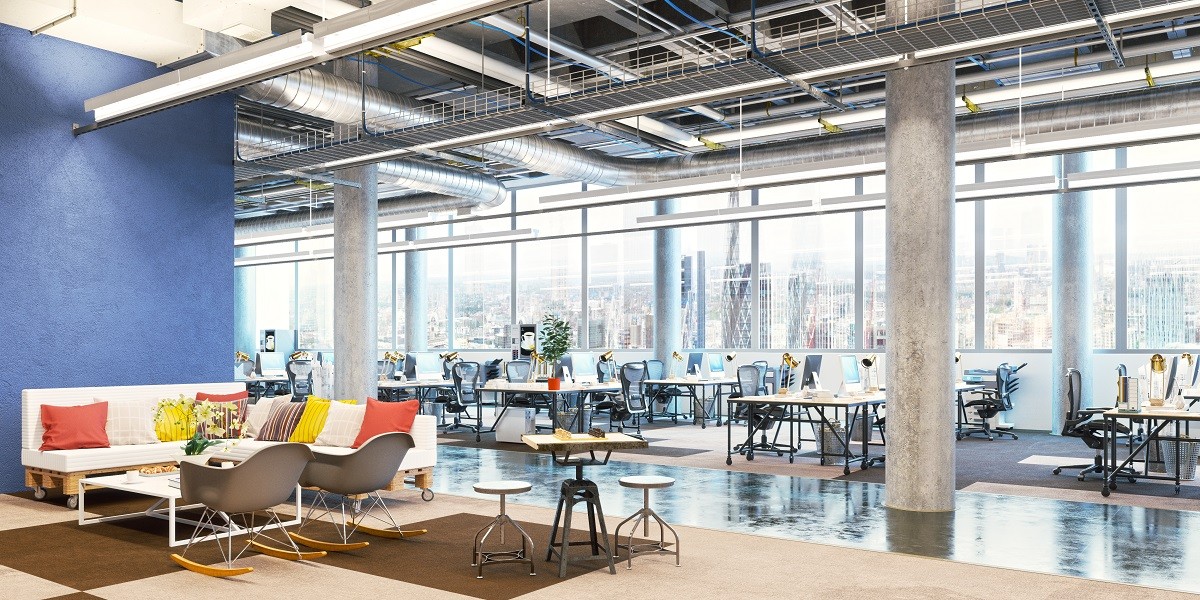
The traditional 9-to-5 at a set workplace seems so last decade, right? Our work style has altered drastically. Hybrid models, remote teams, agile projects, and a focus on employee health need more than simply desks and conference rooms in the office. The setting must be flexible and enable a variety of activities throughout the day, from intensive concentration sessions to collaborative brainstorming and seamless integration with our virtual colleagues. Traditional construction is untidy, sluggish, and costly to change. Building materials must match current business speed.
Introduce Modular Glass Systems to Break Down Walls
Here, modular sliding glass office solutions revolutionize the game. Consider them the superhero of the contemporary workplace, sleek, moveable walls, usually made of glass that can be constructed, changed, and moved far more readily than drywall or permanent structures. They provide flexibility in a graceful manner. Instead of solid walls that block light and create visual boundaries, these glass systems offer a feeling of connectedness and openness, letting natural light pour deeper into the office footprint, improving staff morale and productivity. Their modular design means they arrive in pre-fabricated components that slot together, reducing installation time and mess. Creating discrete sections without losing an open plan’s airiness.
Beyond Pretty Walls: Flexibility and Hybrid Work
This is where magic happens: These technologies drive current workplace trends, not simply aesthetics. For years, the open-plan workplace was king, but its drawbacks like noise and lack of privacy became apparent. Modular glass dividers balance well. Need quiet space for work or discreet calls? Simply slide a portion shut. Want to create a huge team huddle or informal discussion area? Slide them back. The hybrid work approach benefits from this flexibility. Offices are becoming locations for specialized activity. Modular glass lets companies quickly create dedicated video conferencing rooms that minimize distractions, reconfigure space to accommodate different numbers of in-office staff daily, and create ‘activity-based working’ zones where employees can choose the best environment for their task. Your office architecture is as nimble as your operations if you can quickly reconfigure a space.
Work Smartly; Look Good
Let’s face it, they look great. Modular sliding glass systems instantly modernize, sophisticated, and professionalize a workplace. The broad use of glass fosters physical and symbolic transparency, per current business objectives. Natural light is pleasant and boosts energy and reduces eye strain. As well as looking good, installation is quicker and cleaner than conventional construction, reducing disturbance to existing activity. While not soundproof, high-quality systems and specialty glass types provide enough sound isolation for concentrated work or private talks, solving one of the main concerns about open designs. They also preserve sightlines, allowing managers to communicate with their workforce while maintaining privacy. Win-win: the room works better and looks great.
Why Modular Glass Is More Than a Trend in the Agile Office
So, the takeaway? The future of the workplace is dynamic, adjustable rooms that change as rapidly as the work. Modular sliding glass office systems are a sensible, strategic investment in flexible, efficient, attractive, and diversified workplaces for contemporary workers. They enhance cooperation, privacy, smooth hybrid interactions, and environment brightness. Embracing these methods creates a workplace that can adapt to tomorrow’s problems and possibilities. Creating work settings that people desire to work in boosts productivity and reflects a forward-thinking culture. Module glass is building the agile workplace one sliding panel at a time.
