
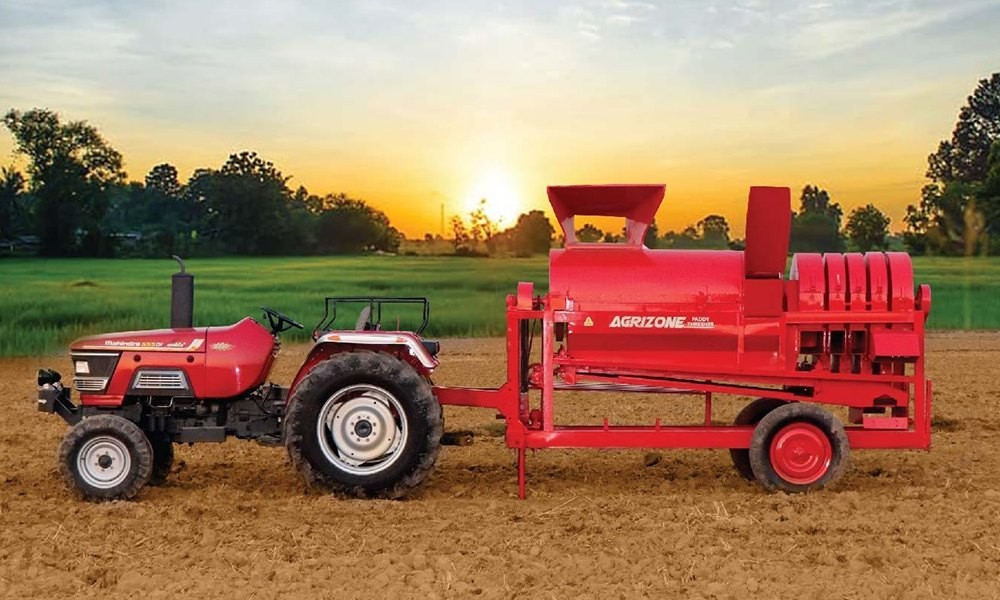
The use of heavy machinery in agriculture has transformed traditional farming into a more efficient and productive process. While small-scale tools may still be suitable for limited operations, larger farms and modern agricultural practices often depend on heavy machinery use in agriculture to save time, reduce labour, and improve output. Understanding when and why to use such machinery is essential for making cost-effective and practical decisions.
When Farm Size Demands Efficiency
Heavy machinery becomes necessary when farming operations expand beyond manual capacity. Large areas of land require faster and more efficient methods for tasks like ploughing, planting, and harvesting. Machines such as tractors, harvesters, and seed drills help cover vast fields in less time, ensuring the timely completion of agricultural activities.
To Reduce Labor Dependency
Agriculture often faces labour shortages, especially during peak seasons. Heavy machinery helps reduce reliance on manual labour by automating repetitive and time-consuming tasks. This not only lowers labour costs but also ensures consistency and accuracy in operations.
For Time-Sensitive Operations
Farming activities are highly dependent on seasonal cycles. Delays in sowing or harvesting can affect crop yield and quality. Heavy machinery enables farmers to complete critical tasks within short time frames, helping them stay aligned with weather conditions and planting schedules.
To Improve Productivity and Output
Using advanced equipment can significantly increase agricultural productivity. Machines perform tasks with greater precision and speed, leading to better crop management and higher yields. For example, mechanized irrigation and harvesting systems ensure efficient use of resources and minimize waste.
For Soil and Land Management
Heavy machinery is useful in preparing and maintaining land. Equipment such as Plows, tillers, and graders helps in soil aeration, levelling, and removing obstacles. Proper land preparation improves soil quality and creates a suitable environment for crops to grow.
Key benefits of machinery in land management include:
- Improved soil structure and aeration
- Efficient removal of weeds and debris
- Better levelling for irrigation and drainage
When Long-Term Cost Savings Are Considered
Although heavy machinery requires a high initial investment, it often results in long-term savings. Reduced labour costs, increased efficiency, and higher yields contribute to better financial returns over time. Additionally, machines can be used for multiple seasons, making them a valuable long-term asset.
To Support Modern Farming Techniques
Modern agricultural practices, such as precision farming and large-scale irrigation systems, rely heavily on advanced machinery. These technologies require equipment that can handle data-driven operations and deliver accurate results. Heavy machinery makes it easier to adopt such innovations and stay competitive in the agricultural sector.
Heavy machinery in agriculture is not just about convenience; it is about improving efficiency, productivity, and sustainability. When used at the right time and for the right purposes, it can significantly enhance farming operations and contribute to long-term success.
