
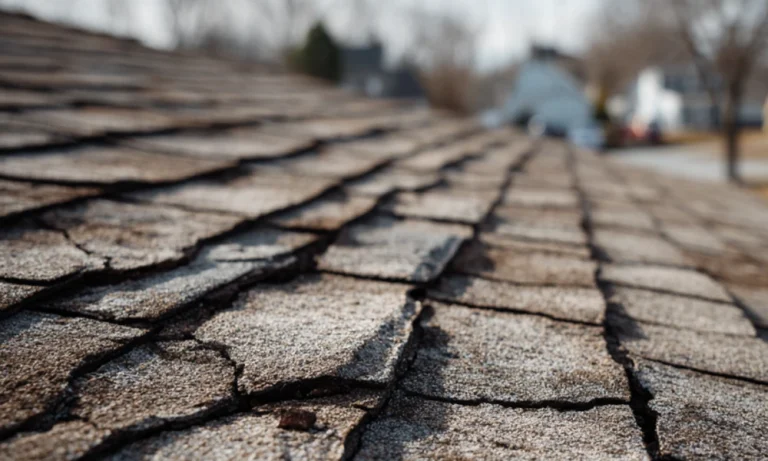
A roof in Troy takes a beating from every direction the calendar offers. Spring brings hail and fast-moving thunderstorms, July and August bring long stretches of heat and humidity, and winter swings back and forth across the freezing line for weeks. When a roof starts leaking or looking tired, most homeowners blame the biggest storm they remember. Often that storm was only the last push on a roof that had been wearing down from something less dramatic for years.
Sorting damage by cause matters for two practical reasons. First, the fix changes: a heat-worn roof and a hail-bruised roof can look similar from the driveway but need very different responses. Second, homeowner policies generally treat sudden events like hail and wind differently from gradual wear like heat aging, poor ventilation or age. Knowing which one you are looking at before you call anyone puts you in a better position with both the contractor and the adjuster.
Troy homeowners have a builder close to home who sees these patterns from the framing up. G&K Construction has built new homes on Troy streets including Shady Trail Drive, Auburn Ridge Drive and Cuivre Creek Drive, and its crews also handle roof installation and repair along with vinyl and fiber cement siding. If you’re looking for a Roofing Company in Troy that understands how the attic, the deck and the shingles work together, a call to 573.324.8138 after storm season is a good way to find out which cause is behind the wear on your roof.
Small Hail That Never Made the News
What it does. Pea and marble-sized hail rarely triggers a claim, so it gets ignored. Each storm knocks loose a few granules, the mineral coating that shields asphalt from sunlight.
What the research found. A peer-reviewed study by the Insurance Institute for Business & Home Safety, reported by Insurance Journal, fired repeated sub-one-inch hailstones at installed shingles. The cumulative granule loss exceeded the loss from a single 2-inch hailstone, and the battered shingles held up worse against later large hail. Impact-resistant shingles did only slightly better than standard ones on granule loss.
How to spot it. Heavy granule buildup in gutters and at downspout outlets, plus shingles that look dull and blotchy rather than evenly worn.
Large Hail From a Single Storm
What it does. Stones around 1.5 inches and larger can fracture the fiberglass mat inside a shingle. The surface may look fine, but the mat underneath is cracked, and that bruise becomes a leak point a year or two later.
How to spot it. Soft spots that feel spongy when pressed, round dark marks where granules were blasted off, and dents in gutters, vents and the soft metal of window wraps on the same side of the house.
What to choose next time. IBHS publishes hail ratings for impact-resistant shingles, scoring them separately on dents, tears and granule loss. The scores vary widely between products that carry the same Class 4 label, so the rating is worth checking before you sign.
Summer Heat From Above and Below
What it does. The Department of Energy notes that conventional roofs can reach 150°F or more on a sunny summer afternoon. That heat dries out the asphalt and speeds up granule loss. A poorly vented attic adds heat from underneath, so the shingle cooks on both faces.
How to spot it. Curling or cupped shingle edges, cracking across the tabs, and wear that is clearly worse on the south and west slopes than on the north.
What not to do. The same DOE guidance warns against field-applying reflective coatings to existing asphalt shingle roofs, since it can trap moisture and may void the shingle warranty. Fixing intake and exhaust ventilation is the better first step.
Straight-Line Wind and Storm Debris
What it does. Thunderstorm gusts get under shingle edges and break the adhesive seal strip. A shingle can stay in place after losing its seal, then lift and tear in the next storm. Wooded lots near the Cuivre River add falling limbs to the problem.
How to spot it. Missing tabs, creased shingles with a horizontal line just above the nail strip, and debris piled in valleys where water needs to run freely.
Freeze, Thaw and Ice at the Eaves
What it does. Water seeps into small cracks and around nail heads, then expands when it freezes. Repeated cycles widen the gaps. Snow melting off a warm attic and refreezing at the overhang builds ice dams that push water up under the shingles.
How to spot it. Ceiling stains near exterior walls, peeling paint on soffits, and icicles concentrated in one spot rather than spread evenly along the gutter line.
Shortcuts at Installation
What it does. Some wear has nothing to do with weather. Nails driven too high or at an angle, missing starter strip, skipped drip edge, or flashing reused from an old roof all shorten a roof’s life no matter how mild the seasons are. Fast-growing towns see more of this as crews rush to keep pace with new construction.
How to spot it. Shingles sliding or lifting in neat rows, leaks around chimneys and wall joints on a fairly new roof, and problems that appear within the first few years.
Matching the Clue to the Cause
| Cause | When it peaks in Troy | First thing you notice | Usual path forward |
|---|---|---|---|
| Small hail | Spring storm season | Granules in gutters | Monitor, plan replacement timing |
| Large hail | Spring and early summer | Soft spots, dented metal | Inspection, possible claim |
| Heat | July and August | Curling on south and west slopes | Ventilation fix, then reroof |
| Wind | Spring and summer storms | Missing or creased tabs | Spot repair, reseal |
| Freeze and thaw | December through March | Stains near exterior walls | Air sealing, ice barrier at reroof |
| Installation | First years of roof life | Leaks at flashing, slipping rows | Correct the detail, check warranty |
The cause you can name usually decides who pays and what gets fixed. A roof worn by heat on two slopes needs a different conversation than one bruised by a single hailstorm, even if both end in replacement. Looking at where the damage sits, which way it faces and what season it showed up in will tell you more than the age of the roof alone.