
Key Highlights
- The headphone market’s complexity stems from the proliferation of new technology and confusing terminology.
- Simplifying your choice involves prioritising three key factors: intended use, preferred fit (on-ear, over-ear, or in-ear), and crucial technical specifications like battery life or noise cancellation.
- Understanding audio codecs and driver types can help you differentiate genuine sound quality from marketing jargon.
- Locating a reputable headphone store Singapore offers is essential for experiencing and comparing sound profiles before committing to a purchase.
Introduction
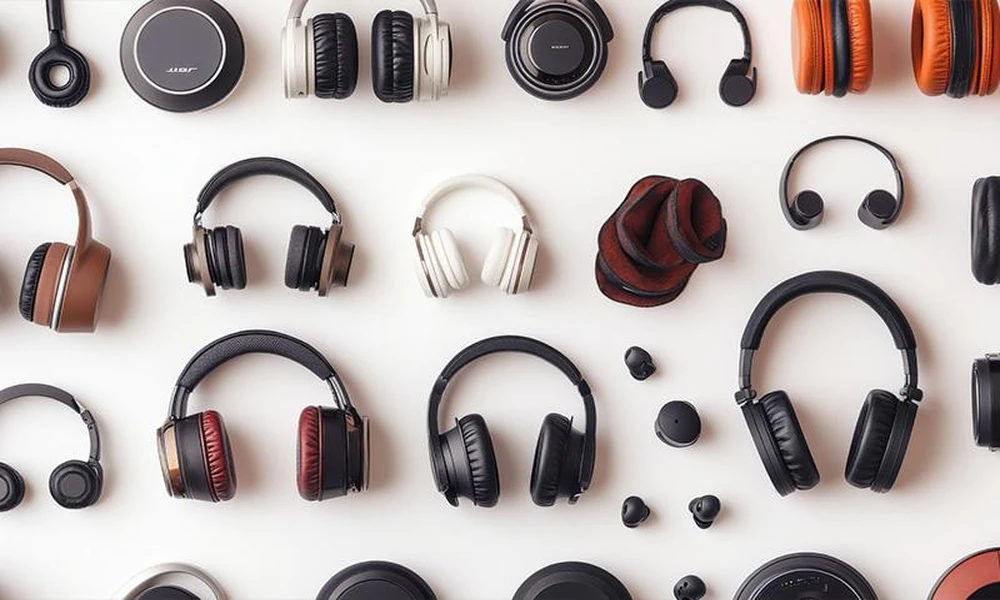
Buying a new set of headphones today can feel less like a shopping trip and more like navigating a labyrinth. Gone are the simple days of choosing between a pair of earplugs and chunky over-ears. The modern audio market is saturated with options-wireless earbuds, planar magnetic drivers, active noise cancellation, high-resolution audio support, and a kaleidoscope of aesthetic designs.
For consumers in bustling cities like Singapore, where every major brand competes for shelf space, this sheer volume of choice can be genuinely overwhelming. This isn’t just about picking a product; it’s about making a significant financial commitment to your auditory future, and the fear of making the wrong choice is real. This guide aims to demystify the process, cutting through the jargon to help you focus on what truly matters when investing in quality audio gear.
Cutting Through the Jargon: Understanding the Overload
The root of the complexity lies in two main areas: technological proliferation and marketing hyperbole. Technological advancements are rapid, giving us a continuous stream of new acronyms to learn. Do you need LDAC, aptX HD, or just standard AAC? Should you prioritise battery life, or is a charging case’s size more important? When browsing for headphones in Singapore, this barrage of information quickly clouds judgement. Manufacturers often lean into technical specifications as a primary sales tool, even when those specs offer negligible real-world benefit to the average listener.
Defining Your Needs: Use Case and Preferred Fit
To start simplifying, you need to conduct a thorough self-assessment of your usage scenario. The most common mistake is buying a general-purpose pair when your needs are highly specific. Are these for your daily commute through a noisy city centre? Then, premium noise cancellation is a must, and factors like comfort and portability should heavily influence your decision. Are they strictly for listening to high-fidelity tracks at home? In this case, noise cancellation becomes irrelevant, and you should prioritise open-back designs with larger, higher-quality drivers for a superior soundstage.
Next, consider the style and fit, a highly personal choice that greatly affects long-term comfort. Over-ear models offer the best passive noise isolation and generally feature the largest drivers, resulting in rich, full sound, but they can be bulky for travel. On-ear headphones are a lighter compromise but often struggle with sound leakage. Finally, in-ear monitors (IEMs) and true wireless earbuds are the champions of portability. When selecting any headphones in Singapore, fit is paramount. Many consumers overlook this, but ill-fitting earbuds can lead to listener fatigue or, worse, poor sound quality if the seal is compromised. You should try before you buy, which is why visiting a dedicated headphone store in Singapore is a much better strategy than purchasing online based purely on reviews.
The Essentials of Technical Specifications
The crucial technical specifications can be boiled down to just a few essentials. Frequency response, measured in Hertz (Hz), tells you the range of sound the headphones can reproduce. While a broader range (e.g., 20Hz-20kHz) is often advertised, the shape of the frequency response curve is what actually dictates the “sound signature” (bass-heavy, neutral, or treble-forward). If you prefer a warmer, more powerful sound profile, look for models engineered with a slight bass boost. If clarity and neutrality are your focus, seek out reviews that praise a flat frequency response. Impedance (measured in Ohms) is another factor; low-impedance headphones are easily driven by phones or basic devices, while high-impedance models may require a dedicated amplifier for optimal performance.
The Value of the Physical Headphone Store Experience
When ready to make a purchase, remember that the experience itself is a major selling point. The best way to cut through the confusion is to visit a physical headphone store Singapore offers. A specialist retailer will allow you to audition various models using your own favourite music and device. This tactile and auditory experience is invaluable. You can compare the build quality, assess the level of refinement in the materials, and determine if the comfort level is acceptable for long periods of wear. Furthermore, the personnel at these dedicated stores often specialise in audio equipment, providing informed and unbiased advice that goes beyond the specifications printed on the box.
The quest for the perfect audio companion doesn’t need to be a journey filled with anxiety. By clearly defining your primary use case, deciding on your preferred physical fit, and understanding the core technical features that affect sound, you can simplify the process significantly. Move beyond the overwhelming choice and make an informed decision that will enrich your listening experience for years to come. Choosing a great pair of headphones is an investment in pure, personal enjoyment, and by following this streamlined approach, you can confidently select the perfect model for your lifestyle.
Conclusion: Investing in Your Auditory Future
If you are ready to explore a curated selection of premium audio equipment and receive expert guidance tailored to your specific listening requirements, please feel free to Contact us at One Futureworld.
