
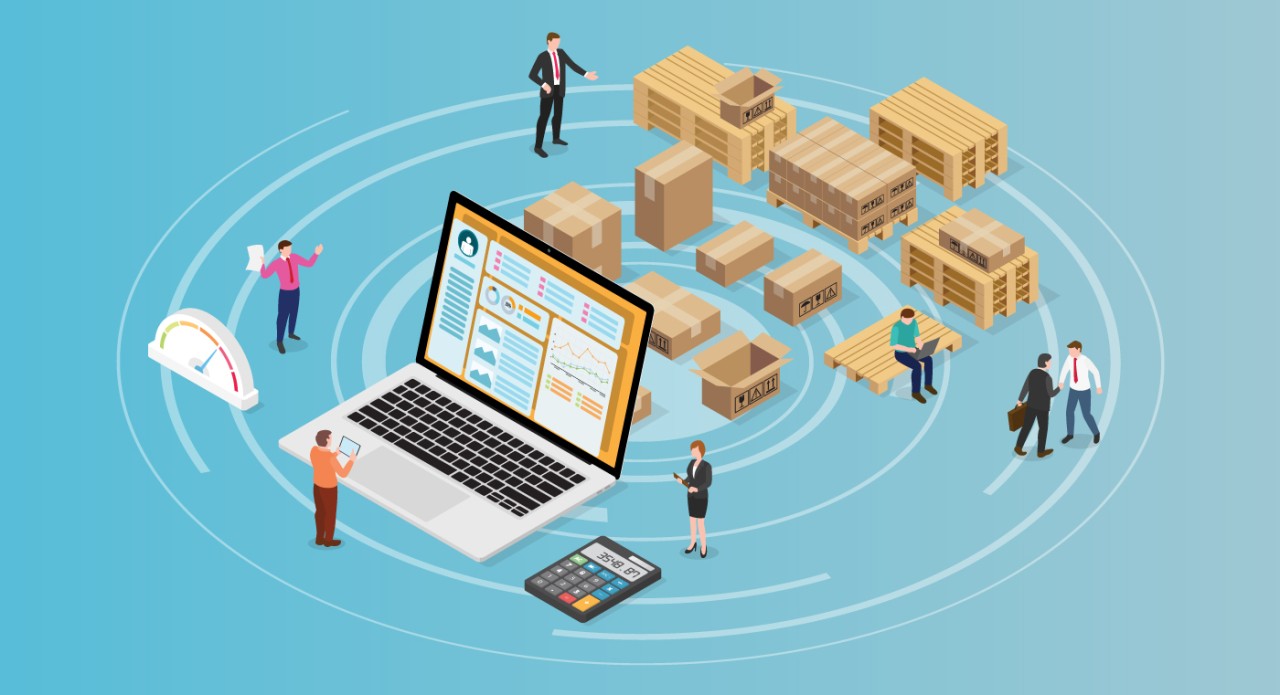
Traditional shipping meant planning days ahead, hoping your forecast matched reality. You committed to trucks whether you needed them or not, wasting money. Unexpected orders created scrambles finding last-minute delivery options at premium prices. Deliveree on-demand logistics services flip this model, letting you request deliveries exactly when needed. No booking requirements or minimum volume commitments lock you in. Capacity appears within hours, matching your actual demand rather than guesses made days earlier. The flexibility transforms logistics from a constraint into an enabler of responsive business. Companies serve customers better while spending less on unused capacity.
Immediate capacity
Long-term shipping contracts made sense when volumes stayed predictable. Modern business moves too fast for commitments made months ahead. On-demand services provide trucks and drivers within hours of requesting them. Need five deliveries today and none tomorrow? Book what you actually need each day. The system scales up and down instantly, matching your real demand patterns. Seasonal businesses particularly benefit from pay-as-you-go models. You’re not stuck with contracted capacity sitting idle during slow months. Holiday spikes get absorbed easily without negotiating temporary contract changes. New product launches happen without worrying whether logistics can handle demand. The flexibility eliminates waste while ensuring capacity exists when you actually need it.
Unpredictable demand
Customer orders don’t arrive on convenient schedules matching your planning. Some days bring floods of shipments while others stay quiet. Traditional logistics forced you to maintain capacity for peak days, wasting money on average days. On-demand models match staffing and vehicles to actual daily volumes automatically. Rush orders that used to create panic get handled through available on-demand capacity. Clients calling with urgent needs get served rather than turned away. Your business becomes more responsive to customer requests instead of being constrained by logistics limitations. The agility creates competitive advantages that competitors with rigid logistics can’t match.
Geographic flexibility
Expanding into new territories requires a logistics presence in unfamiliar areas. Building infrastructure before validating demand risks expensive mistakes. On-demand services already operate in markets you’re considering, letting you test them cheaply. You serve customers in new cities without opening branch offices or hiring local staff. Market experiments fail without leaving you stuck with logistics investments. Successful launches scale naturally through existing partner infrastructure. The low-risk approach encourages testing markets you’d otherwise avoid. Geographic expansion becomes opportunistic rather than requiring major strategic commitments upfront.
Cost structure alignment
Fixed logistics costs drain cash flow when revenue fluctuates throughout the year. You pay for capacity whether using it or not, creating losses during slow periods. On-demand pricing turns fixed costs into variable expenses, matching actual business activity. Shipping costs scale proportionally with sales, preventing margin compression. Startups and small businesses particularly benefit from this cost structure. You’re not betting the company on logistics infrastructure before proving your model works. Growth happens profitably since costs only increase when revenue actually grows. The financial model makes logistics affordable for businesses that couldn’t justify traditional approaches.
Delivere logistics services respond to business needs through immediate capacity, demand flexibility, geographic testing capability, cost alignment, technology speed, and risk diversification. The model suits modern business realities better than traditional contracted logistics. Companies gain agility by serving customers better while controlling costs effectively.
