
Key Takeaways
- A Buddhist funeral focuses on the transition of the soul and the accumulation of merits to aid the deceased in their journey toward rebirth.
- Families typically choose between three, five, or seven-day wakes held at HDB void decks or funeral parlours to allow for chanting and visitation.
- Coordinating with experienced funeral directors ensures that the setup adheres strictly to specific denominational traditions and religious customs.
Introduction
Organising a final farewell within the Buddhist tradition requires a deep respect for spiritual rituals and a clear understanding of the logistics involved in a multi-day event. In Singapore, families often find themselves balancing emotional grief with the practical demands of religious compliance and venue booking. A Buddhist funeral serves as a solemn occasion to assist the deceased in their transition to the next life through prayer, merit-making, and symbolic offerings. By focusing on the values of impermanence and compassion, the service provides a structured environment where friends and relatives can pay their respects while contributing to the spiritual well-being of the departed. The family can focus on mourning while the ceremonial details are in capable hands when they leave these requirements to a professional.
Rituals, Chanting, and the Altar Arrangement
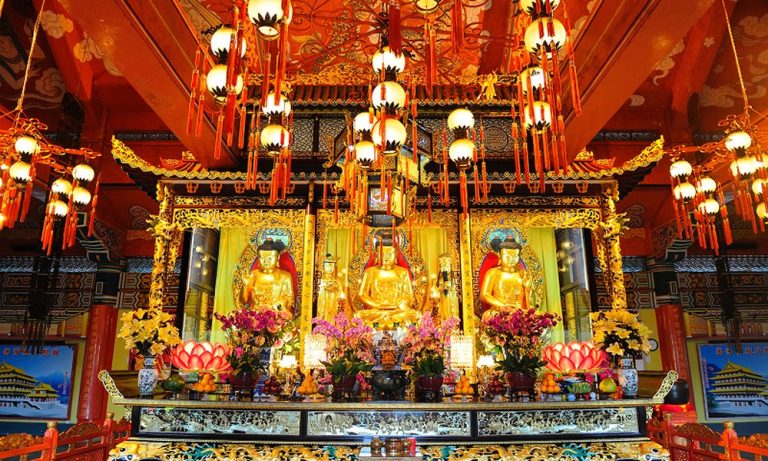
The heart of the ceremony lies in the chanting sessions led by monks, which typically occur on the first night, the final night, and during the funeral procession. These chants invoke blessings and help the deceased detach from worldly ties, facilitating a smoother transition. Families must coordinate with Buddhist funeral services in Singapore to arrange for monks from the specific denomination of the deceased, whether it be Mahayana, Theravada, or Tibetan. The setup involves a central altar featuring a portrait of the deceased, an image of the Buddha, and various offerings such as fruits, flowers, and incense. These elements create a dignified focal point that guides the atmosphere of the wake and provides a space for visitors to offer their own prayers and reflections.
In addition to the spiritual chanting, the physical arrangement of the wake area plays a vital role in the comfort of the attendees. Most wakes take place over an odd number of days, usually three or five, and require adequate seating, refreshment areas, and clear signage. Professional providers of Buddhist funeral services in Singapore handle the installation of the tentage at different funeral venues, such as parlour halls. They also manage the supply of joss paper, candles, and fruit baskets that the family needs for daily rituals, allowing the bereaved to participate fully in the chanting and merit-sharing activities. By maintaining a clean and orderly environment, the family honours the memory of the deceased while demonstrating hospitality to the community.
Procession, Cremation, and Post-Funeral Customs
On the final day of the Buddhist funeral, the procession marks the physical departure of the deceased from the wake location to the crematorium or burial site. This movement often involves a traditional funeral hearse followed by family members who walk a short distance behind the vehicle as a sign of filial piety and respect. During this journey, monks may continue to chant, and musicians might play traditional instruments to lead the way. Families often find the coordination of transport for guests and the timing of the cremation slot to be the most stressful aspects of the day. Relying on established funeral directors ensures that the hearse arrives promptly and the procession follows the planned route without delays, allowing the ceremony to proceed with the necessary solemnity.
Following the cremation, the collection of ashes and their subsequent placement in a columbarium or a sea burial represent the final act of the funeral cycle. Many families also observe post-funeral rituals, such as the 49th-day and 100th-day memorial services, to continue sharing merits with the deceased. Those who engage Buddhist funeral services in Singapore often receive guidance on these subsequent milestones, ensuring that the spiritual duties do not end abruptly after the burial. A funeral parlour like Casket Fairprice assists families in navigating these long-term customs, providing advice on tablet installation and memorial arrangements. By viewing the funeral as part of a larger cycle of life and death, the bereaved can find a sense of closure while fulfilling their traditional obligations.
5 Elements of the Funeral Plan
- Monk Coordination – Secure the presence of Buddhist monks for the crucial first night and final night chanting sessions.
- Vegetarian Catering – Provide vegetarian meals during the wake to align with the Buddhist principle of non-harming and compassion.
- Merit-Making Activities – Encourage guests to donate to charities or participate in prayers to accumulate positive karma for the deceased.
- Logistical Management – Arrange for tables, chairs, fans, and mobile toilets if holding the wake at a residential void deck.
- Appropriate Attire – Request that family members and guests wear sombre colours, such as white or black, to maintain the solemnity of the event.
Conclusion
Planning a Buddhist funeral involves a delicate balance of religious devotion and logistical precision. By understanding the importance of chanting, altar rituals, and the final procession, families can create a meaningful tribute that honours their loved one’s faith. Utilising professional Buddhist funeral services in Singapore ensures that every detail, from the incense on the altar to the transport on the final day, adheres to traditional expectations. Casket Fairprice provides the structured support needed to handle these complex arrangements, allowing you to focus on the spiritual significance of the journey. Ultimately, a well-planned service offers comfort to the living while providing a dignified path for the departed. As you navigate the requirements of the wake and cremation, remember that these rituals serve as a final act of love and a profound reflection on the nature of existence.
Honour your loved one’s spiritual journey with a dignified and traditional service. Contact Casket Fairprice for comprehensive funeral packages and professional support services.